Buying a House With a Pool: What You Need to Know
Buying a House With a Pool: What You Need to Know
A home with a pool already in the ground can save you the cost, the wait, and the backyard construction mess of building one from scratch. But an existing pool comes with its own due-diligence checklist — one that's easy to overlook when you're focused on the house itself. Before you close, it's worth knowing what kind of pool you're getting, what to inspect, what to ask, and what it's actually going to cost you to keep it in good shape.
At American Fiberglass Pools, we've been building, repairing, and resurfacing pools across Houston and Central to East Texas since 1971. We see a lot of resale pools that were never fully understood by the buyer at closing — this guide is meant to help you avoid that.
Why a Pool Changes the Home-Buying Equation
A pool isn't just a backyard feature — it's a system that affects the transaction and the ownership that follows it.
Homeowners insurance is one place it shows up quickly. Many insurers ask about fencing, self-latching gates, and other safety features before writing a policy on a property with a pool, and some local codes require specific safety measures regardless of what your insurer asks for.
A pool can also cut both ways on resale value. In the right market, a well-maintained pool is a genuine asset. In a market where buyer demand for pools is lower, or where the pool is visibly neglected, it can just as easily become a negotiating point in the buyer's favor. Either way, it adds a recurring maintenance line item that's easy to underestimate before you've owned one.
Identify the Pool Type Before You Buy
Most resale pools fall into one of three categories, and each comes with a different repair profile, lifespan, and set of red flags to watch for.
- Fiberglass. Look for a smooth, glossy gel coat surface and a single-piece shell with no visible seams. The most common wear signs are fine spider cracks in the gel coat and gradual fading — cosmetic issues, but worth flagging for your inspector. You can read more about why fiberglass holds up over time compared to other materials.
- Vinyl liner. Check for looseness, wrinkling, or discoloration in the liner, and ask the seller when it was last replaced — liners have a defined replacement cycle, unlike a fiberglass shell.
- Gunite or concrete. Look for rough or pitted surface texture and staining, and ask about the plaster or pebble resurfacing history, since concrete pools need resurfacing on a recurring schedule that fiberglass doesn't.
If you want the deeper cost comparison, our post on fiberglass pool liner cost vs. vinyl breaks down the upfront and lifetime cost difference in more detail. Knowing the pool type before your inspection means you'll know exactly what questions to ask and what to look for.
What to Inspect Before Closing
Whether you bring in a pool-specific inspector or walk it yourself alongside your general inspector, focus on these areas:
- Shell condition — cracks, spider cracking, delamination, or any soft or flexing spots underfoot.
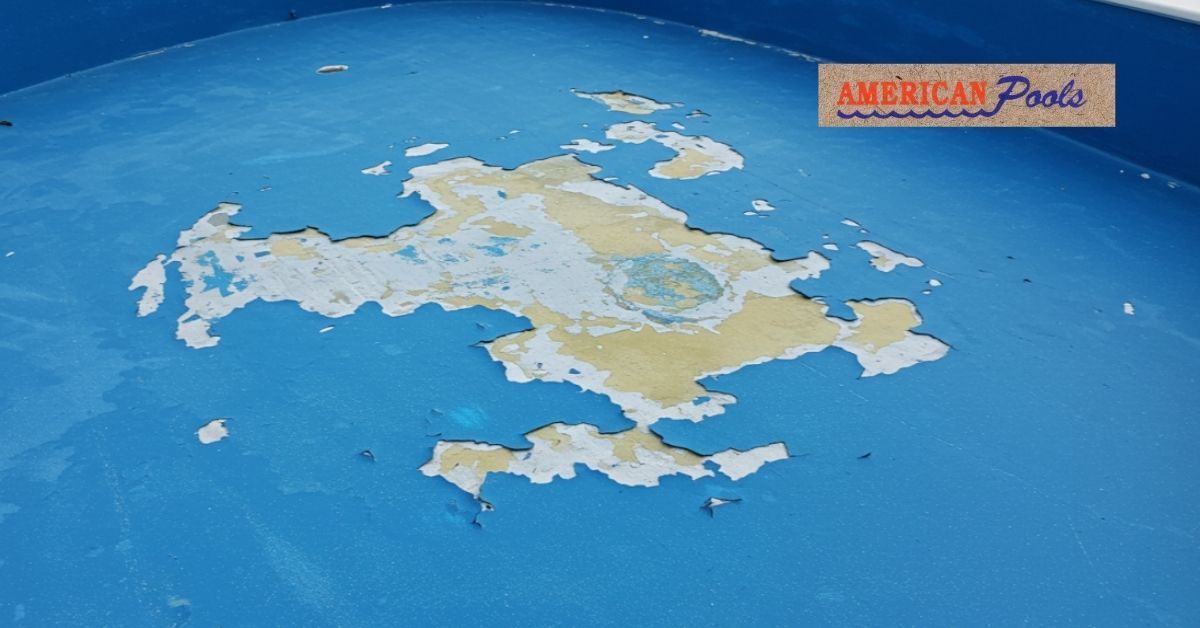
- Surface wear — chalky texture, fading, discoloration, or rough patches that suggest the finish is past its best years.
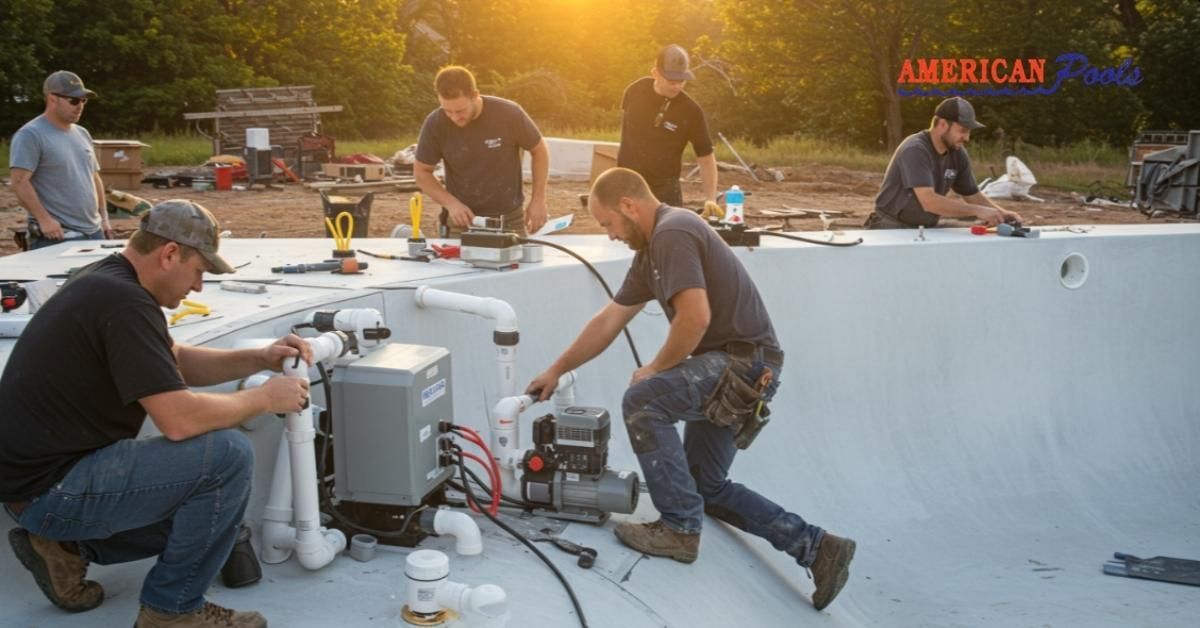
- Equipment — the age and working condition of the pump, filter, heater, and any automation or salt system.
- Deck and coping — cracking, separation from the pool edge, and whether water drains away from the pool properly.
- Signs of prior patch jobs — inconsistent color, texture, or an obviously DIY repair rather than professional work.
- Safety compliance — fencing, self-closing gates, and whatever your local code requires for a residential pool.
A pool that's a few decades old isn't automatically a problem — knowing how long a fiberglass pool lasts gives you a realistic frame of reference for judging how much life is likely left in the shell you're looking at.
Questions to Ask the Seller and Your Inspector
A few direct questions will tell you more than a walk-around ever will:
- How old is the pool, and is there a transferable structural or shell warranty?
- Has it ever been resurfaced or had major repairs — and are there records to back that up?
- Has it ever developed a leak, and if so, was it fully drained to fix it? Draining carries real risk for fiberglass and vinyl pools when it's not done correctly — our guide on draining a fiberglass pool covers why that matters.
- What's the current owner's monthly or seasonal maintenance routine, and roughly what does it cost them?
- Is there a home warranty or seller disclosure that covers the pool equipment specifically?
If the inspection or these questions turn up a crack, a leak, or damaged equipment, that's a conversation for a fiberglass pool repair specialist before you finalize your offer or negotiate repairs into the closing.
Budgeting for Pool Ownership After You Buy
Once you've closed, ownership costs generally fall into three buckets:
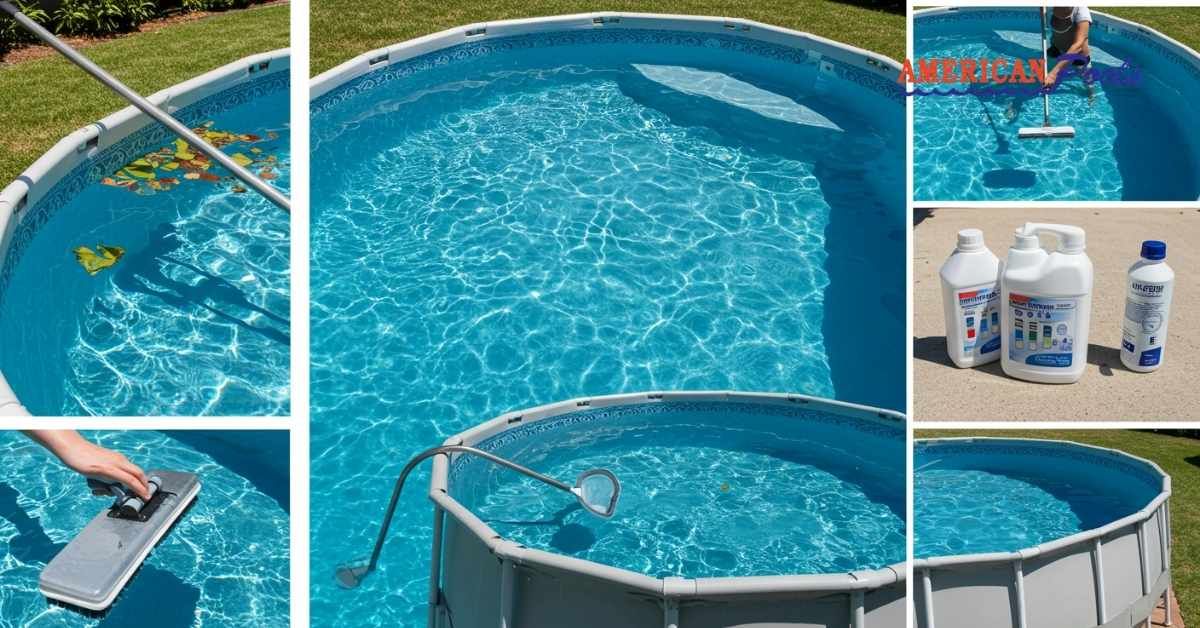
- Routine costs — chemicals, regular cleaning, electricity for the pump, and seasonal opening or closing if that applies in your area.
- Mid-life costs — resurfacing timelines vary significantly by pool material, so it's worth understanding your specific pool type's cycle rather than assuming a one-size-fits-all number. Our breakdown of what it costs to resurface a fiberglass pool is a useful starting point if that's the material you're dealing with.
- Repair reserve — set aside a cushion for the first year in case the inspection missed something, or a known issue was already priced into your purchase.
Thinking through these three buckets before you move in means fewer surprises the first time something needs attention.
When a Resurface or Repair Makes Sense
If the inspection turned up a faded, chalky, or lightly cracked surface, that's usually a gel coat resurfacing conversation rather than a full pool replacement — a much smaller investment than most new buyers assume.
If there's an active leak or a structural crack, that's a repair-first conversation before resurfacing is even on the table, since you want the shell sound before you invest in the finish.
Either way, an honest, no-pressure evaluation from a pool professional — not just a general contractor — is the fastest way to know exactly what you're working with.
Talk to a Pool Professional Before or After You Close
A pool can be one of the best features of a resale home when you go in with a clear picture of its type, condition, and ongoing cost. It can also turn into an expensive surprise if you skip the questions above.
American Fiberglass Pools has been evaluating, repairing, and resurfacing pools for families across Houston and areas we serve across Texas since 1971. Schedule a free pool evaluation once you've closed — or even before, if your inspector flags something about the shell or surface — by calling us at (713) 466-0796 or toll-free at (800) 324-7665.
Frequently Asked Questions
Should a home inspector check the pool, or do I need a pool-specific inspection?
A general home inspector will note obvious issues, but a pool-specific inspection or an evaluation from a pool professional gives a much more accurate read on shell condition, equipment life, and likely repair costs. It's worth the extra step on any home with a pool.
Does a pool always increase a home's resale value?
Not automatically. It depends on the local market, the pool's condition, and buyer demand in that area. A well-maintained pool is an asset; a neglected one can become a negotiating point in the buyer's favor instead.
How do I know if a pool has been resurfaced before?
Ask the seller directly for records, and look for visual cues like inconsistent color or texture across the surface, which can indicate a partial repair rather than a full resurface.
What should I budget for pool maintenance in the first year?
This varies by pool size, type, and local climate, so it's best estimated with a professional evaluation rather than a general number. Reach out to our team for an assessment based on your specific pool.