What Is a Sliding Deck Pool Cover?
What Is a Sliding Deck Pool Cover?
If you've been shopping for a pool cover, you've probably noticed the terminology gets confusing fast — mesh, solid, automatic, thermal, deck-mounted.
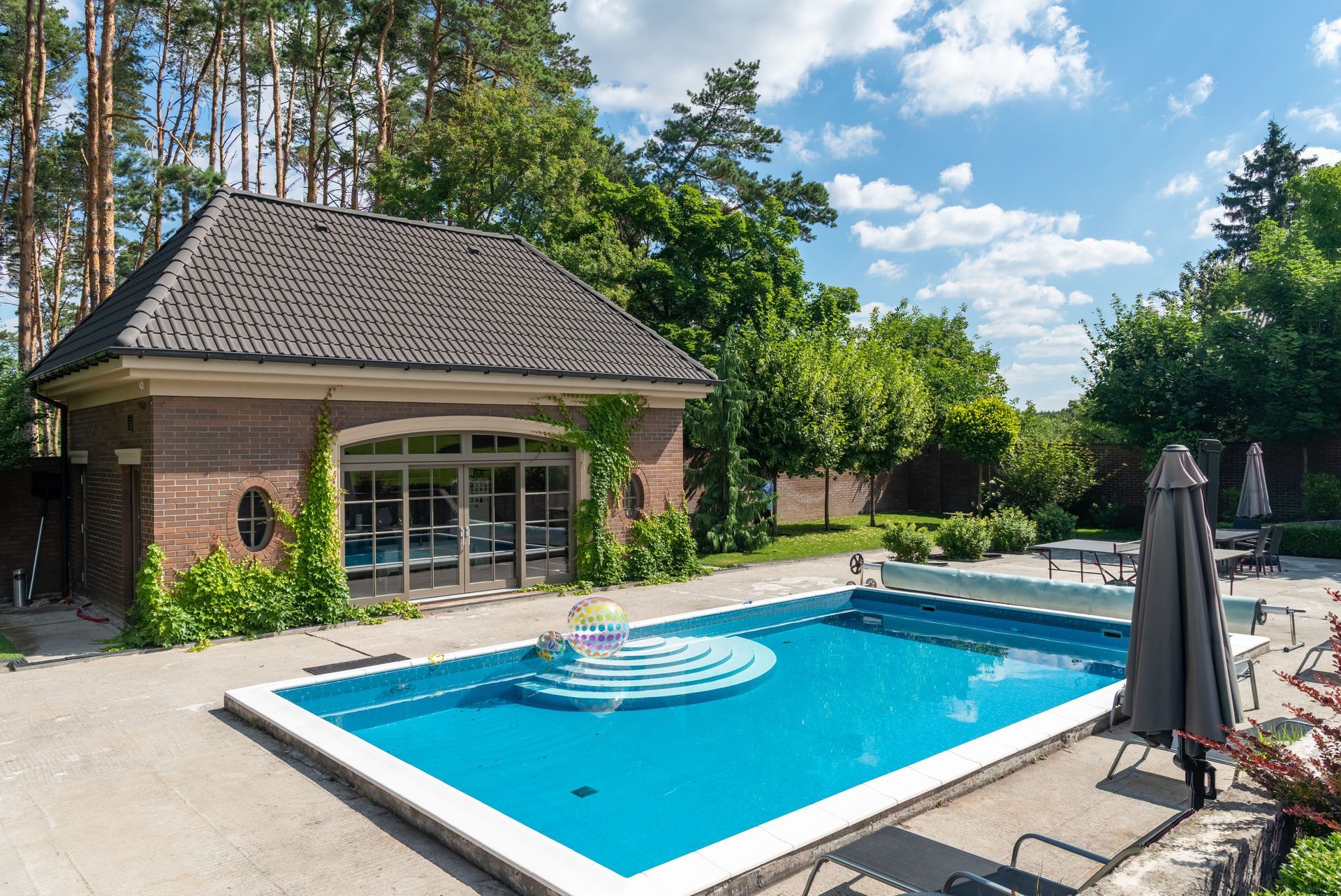
A sliding deck pool cover is one of the more premium options on that list: instead of rolling up on poolside posts or reeling across the surface from a visible box, it slides out from a track built directly into the deck beside your pool. When it's open, the cover disappears flush into the surrounding patio, leaving nothing but clean deck space.
At American Fiberglass Pools, we've spent 55 years building and maintaining custom fiberglass pools across Houston and Central to East Texas, and we field a lot of cover questions from homeowners who want both safety and a seamless look. Here's how a sliding deck cover works, how it compares to other cover types, and whether it makes sense for your pool.
How a Sliding Deck Pool Cover Works
A sliding deck cover runs on a rail or track system that's either built into the deck during construction or retrofitted alongside it. The cover itself — typically made of rigid or semi-rigid PVC slats, sometimes insulated — rides on rollers within that track.
When you want the pool open, the panels retract into a housing hidden under or beside the deck. When you're ready to close it, the cover slides back out and locks into place across the water, either by hand crank or, in most modern installations, a motorized switch.
The result is a cover that never sits in a bulky box at the water's edge. It stores essentially out of sight, which is the main reason homeowners choose it over a standard track-at-water-level automatic cover.
Sliding Deck Cover vs. Other Pool Cover Types
It helps to see where a sliding deck cover fits alongside the other common options:
Cover Type
How It Stores
Best For
Mesh safety cover
Rolls up on removable poolside straps and posts
Budget-friendly seasonal safety coverage
Solid safety cover
Rolls up similarly to mesh, stored poolside or in a reel
Debris-free winterizing in cold climates
Standard automatic cover
Reels out across the water's surface from a poolside box
Daily open/close convenience at the water line
Sliding deck cover
Slides out from a track housed inside the adjacent deck
A flush, deck-integrated look with no visible poolside box
In short: if a clean, deck-level appearance matters as much as function, a sliding deck cover is usually the option homeowners land on.
Benefits of a Sliding Deck Pool Cover
The appeal goes beyond looks. A few of the practical reasons homeowners add one:
- Safety first. A closed sliding deck cover acts as a physical barrier over the water, which matters most if you have young kids, pets, or frequent backyard gatherings.
- Heat retention. A closed cover traps warmth overnight and between swims, which can shorten reheat times and stretch your swim season further into the shoulder months.
- Debris protection. Gulf Coast storm season brings leaves, pollen, and wind-blown debris. Keeping the cover closed when the pool's not in use means less time skimming and a more balanced water chemistry.
- Less evaporation, fewer chemicals. A sealed cover slows water loss, which in turn reduces how often you're topping off and rebalancing chemicals.
Those benefits compound over the life of the pool. A shell that's protected from sun exposure and temperature swings when it's not in use tends to hold its finish longer — one more reason why fiberglass holds up over time compared to other pool materials.
Is a Sliding Deck Cover Right for Your Fiberglass Pool?
A sliding deck cover isn't a universal fit, and it's worth being upfront about that. A few things to weigh:
- Deck layout. The system needs a straight run of deck alongside the pool long enough to house the track and stored panels.
- Timing. It's easiest to plan into a new build or a major deck renovation, since the track can be designed in from the start. Retrofits onto an existing deck are possible but depend on your current layout and materials.
- Investment level. A sliding deck cover is a bigger investment than a mesh safety cover, and it's a decision best made with a pool designer rather than picked off a shelf after the fact.
If you're still in the planning stages, this is exactly the kind of detail worth raising early. Our team designs custom fiberglass pool shapes and deck layouts together, so a future cover system can be built into the plan instead of squeezed in afterward.
Installation & Maintenance Considerations
A sliding deck cover is a structural addition to your deck, not a DIY kit — professional installation is a must, and the deck material needs to be able to support the housed track and mechanism.
Over years of use, the point where the cover meets the pool edge can occasionally scuff the finish. If that happens, it's a straightforward fix with gel coat resurfacing, and if you ever notice a crack or leak unrelated to the cover itself, our fiberglass pool repair team can take a look.
Day to day, upkeep is simple: keep the track clear of debris, rinse the cover material periodically, and fold it into your regular routine for how to clean a fiberglass pool.
Talk to a Fiberglass Pool Designer
A sliding deck pool cover is one of the more elegant ways to close up a pool — it prioritizes safety and energy savings without sacrificing how your backyard looks day to day. Whether you're planning a new fiberglass pool or considering a deck renovation on your current one, it's worth talking through early.
American Fiberglass Pools has been designing and building pools for families across Houston and areas we serve across Texas since 1971. Schedule a free consultation to talk through whether a sliding deck cover fits your yard and pool plan, or call us directly at (713) 466-0796 or toll-free at (800) 324-7665.
Frequently Asked Questions
What's the difference between a sliding deck cover and an automatic pool cover?
A standard automatic cover runs on a track at the water's surface and reels out across the top of the pool from a visible poolside box. A sliding deck cover is mounted in the deck itself and slides out from a housing built into the surrounding patio, so it stores flush with the deck rather than in a box.
Can I add a sliding deck cover to an existing fiberglass pool?
In many cases, yes — but it depends on your deck material and how much straight run of deck is available to house the track. It's best evaluated on-site by a pool professional before committing to the retrofit.
Does a sliding deck cover work well in Houston's climate?
Yes. It helps retain heat during cooler months, cuts down on debris from Gulf Coast storms, and reduces evaporation during peak summer heat, which can mean real savings on water and chemicals over time.
How much does a sliding deck pool cover cost?
Cost depends on pool size, deck material, and whether the system is motorized, so it's best answered with a project-specific quote rather than a general figure. Contact our team for an estimate based on your pool and deck layout.